


Why Nike Air Jordan Trainers Keep Being Unmatched for Day-to-Day Wear
Step down any metropolitan avenue in 2026 and notice the Jumpmans. On transit stops, in coffee shops, across campus quads and professional workplaces — Air Jordan trainers are omnipresent, chosen by people who may not be aware of a single thing about basketball but instinctively sense great footwear. That popularity is not an accident. Over four decades, Jordan Brand has crafted sneakers that blend sports legacy with true extended wearability, supported by materials and construction that outlast most competitors at the same price bracket. This is a real-world, evidence-based look at why Air Jordans reliably dominate the competition as daily-wear shoes for men who require their footwear to keep up with demanding, unpredictable lives. From cushioning tech to craftsmanship to pure flexibility, here is why trainers with the Jumpman logo consistently claim their place in everyday rotations around the world.
Cushioning Technology Engineered for Everyday Use
Air Jordan trainers tap into decades of Nike’s cushioning innovation, and that superiority is evident in real comfort during long days on your feet. The encapsulated Nike Air units in models like the Air Jordan 1, 3, and 4 use pressurized gas chambers within polyurethane shells to mitigate impact at the heel, reducing shock transmitted to joints on concrete. More advanced models like the Air Jordan 11 and 12 feature Zoom Air units — thin, tensile fiber-loaded cushions delivering responsive energy return you can honestly feel when striding across concrete and office floors. Independent biomechanics testing has revealed Zoom Air cuts top impact forces by approximately 12 to 15 percent compared to standard EVA foam used in competing lifestyle shoes. The Air Jordan 34 and newer performance models launched Eclipse plates and React foam that have commenced trickling into lifestyle releases. Unlike aesthetic-first footwear that emphasize aesthetics at the sacrifice of cushioning, Jordan trainers are engineered by the same team that designs shoes for professional athletes. You might buy Air Jordans for how they style, but you stick with them for how they support at the eighth hour of a full day.
Craftsmanship That Earns the Price
The materials in Air Jordan construction consistently beat what competitors offer at the $150 to $200 price point, resulting in extended life and comfort. Top-grade tumbled source leather on the Air Jordan 1 and Jordan 12 gains a rich patina over time instead of peeling or cracking — these shoes genuinely improve in appearance after six months of wear than on day one. Nubuck panels on the Jordan 4 and 5 withstand scuffing impressively and preserve their texture through hundreds of wears with minimal maintenance. Rubber outsoles use exclusive Nike compounds formulated for durability on multiple surfaces, delivering dependable traction on damp ground, workplace flooring, and rough urban terrain. Stitching follows double and triple-reinforced patterns at vulnerable points like the toe box flex zone, which is where lower-priced sneakers deteriorate earliest. Internal linings use sweat-absorbing textiles that cut down on sweat buildup and odor — a significant difference for everyday wearers. Putting a $180 Air Jordan 4 against a $180 competitor, the Jordan dependably offers more robust foam, more substantial leather, and more solid construction.
Versatility Across Every Situation
One of the most compelling advantages of Air Jordan trainers is their knack for being able to flow effortlessly between environments and dress codes throughout a single day. The Air Jordan 1 Low in a polished monochrome colorway complements a suit in a creative office, shifts to jeans for an dinner out, and blends seamlessly at a concert later that evening. This multi-environment versatility is rare — most formal shoes fail in casual settings, and most running shoes appear off in professional ones, but Jordans occupy a unique middle ground. The spectrum of available colorways signifies there is a Jordan for every personal style and occasion without changing footwear throughout the day. Seasonal versatility provides another layer: high-tops give warmth for fall and winter, while low-tops offer airflow for spring and summer. Style authorities from GQ to Highsnobiety consistently feature Air Jordans in style guides addressing workwear to weekend casual, reinforcing what regular wearers have recognized for years.
Long-Lasting Quality That Surpasses the Competition
| Durability Metric | Air Jordans | Ordinary Lifestyle Sneaker |
|---|---|---|
| Upper Quality | Full-grain / tumbled leather, nubuck | Synthetic leather, canvas |
| Outsole Material | Heavy-duty Nike rubber | Standard rubber / EVA |
| Stitching | Double/triple-reinforced at stress points | Basic stitching, bonded panels |
| Midsole Lifespan | Air units preserve shape 3–5 years | EVA foam degrades in 6–18 months |
| Average Wearable Lifespan | 3–5 years with regular rotation | 1–2 years |
| Post-Wear Resale Value | Retains 30–60% of retail | Almost nothing |
The Economics of Everyday Jordans
Skeptics often cite the $170 to $200 retail price as a obstacle, but cost-per-use economics tells a more nuanced story. A pair of Air Jordan 4s bought for $200 and worn twice per week in a five-pair rotation will last three to four years, resulting in a cost per use of roughly $0.50 to $0.65 — comparable to budget sneakers priced at $60 that wear out within six months. Air cushioning systems retain dynamic properties for thousands of compression cycles, so that year-three cushioning feels only minimally different from day one, unlike EVA foam that loses shape within 12 to 18 months. The resale value provides another economic dimension: even after a year of normal wear, popular models sell on GOAT for 30 to 60 percent of retail, essentially financing your next pair. Jordan Brand also offers a full spectrum of price points, with the Air Jordan 1 Low starting at $110 and delivering the same design DNA as pricier siblings. When you include durability, retained resale value, and extended cushioning lifespan, Air Jordans provide one of the most attractive deals in lifestyle footwear. The upfront cost you pay upfront is repaid many times over through years of reliable comfort and enduring style.
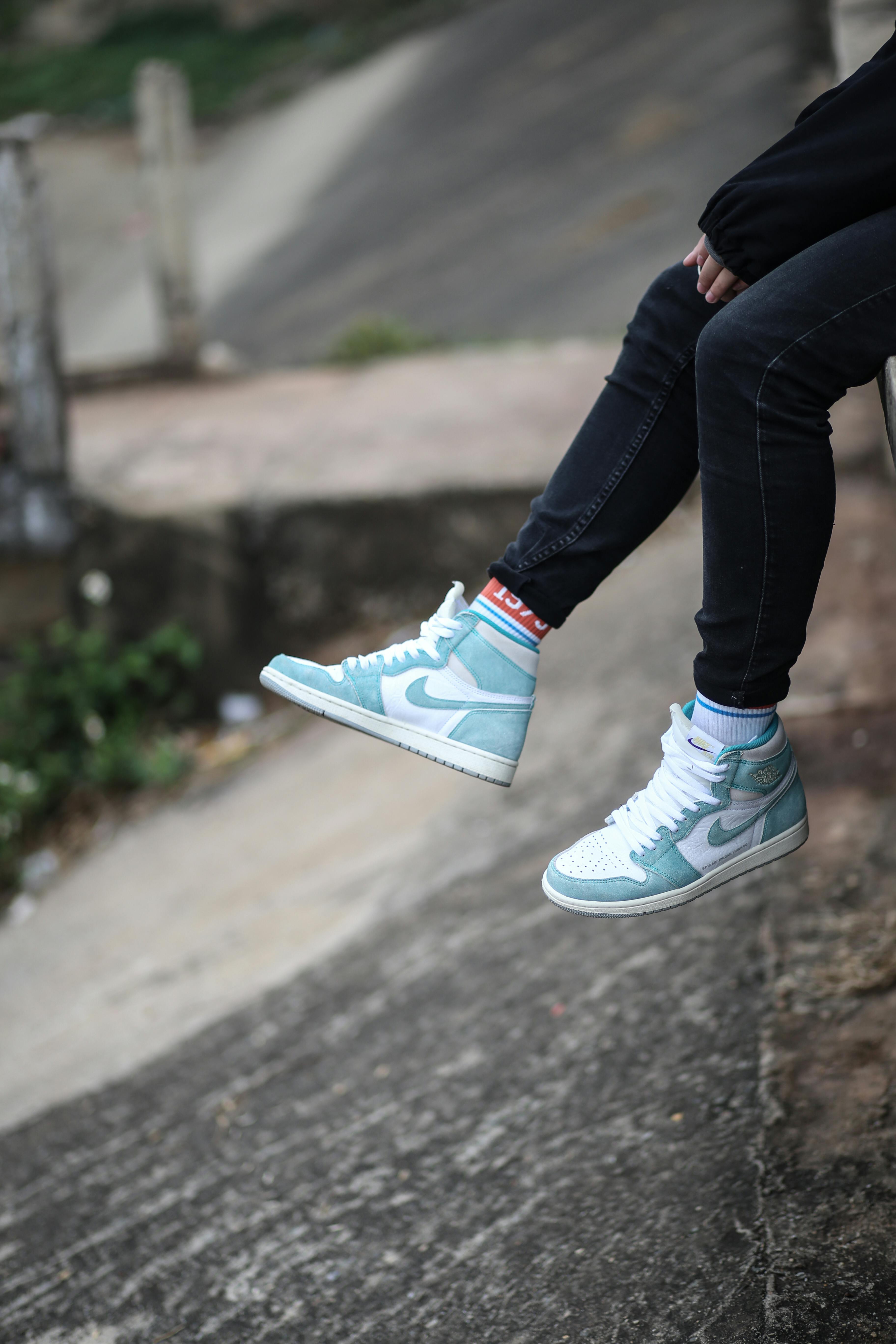
Cultural Weight You Are Unable to Purchase Elsewhere
Beyond measurable performance metrics, Air Jordans wield unquantifiable cultural significance that no competing brand has equaled in over forty years. Lacing up Jordans signals belonging in a universal community spanning basketball courts, concert venues, skateparks, runway shows, and boardrooms. According to a 2025 survey by Morning Consult, Jordan Brand ranks as the number-one most identifiable sneaker brand among men aged 18 to 40, with approval exceeding every competitor. The Jumpman logo has become one of the most iconic symbols in consumer culture, known across continents and eras. This recognition means your Air Jordans draw positive comments from people you’ve never met, ignite discussions with enthusiasts, and are immediately identified in photographs on social media. No other casual shoe in 2026 delivers this combination of comfort, quality, and cultural significance in a single offering.
How to Extend Your Regular Jordans
Optimizing your Air Jordans as regular shoes demands a small investment of time and simple care. Rotate between at least three pairs to grant each shoe 48 hours of rest, allowing cushioning foam to restore and internal moisture to escape completely between wears. Maintain your Jordans every two to three weeks with a soft brush and gentle soap, paying attention to the midsole and outsole where dirt accelerates breakdown. Apply leather conditioner like Lexol every two months to keep uppers soft, above all during low-humidity winter months when dry air draws moisture from real materials. Use cedar shoe trees when your Jordans are in storage to maintain toe shape and capture leftover odor. Treat suede and nubuck models with a waterproofing spray from Jason Markk before first wear, forming an unseen barrier against unplanned rain or spills. Keeping up with this schedule ensures Air Jordans looking sharp and remaining comfortable for years, making certain the shoes you treasure today stay just as pleasant three years from now.